Guide to Electrical Installation Condition Report (EICR)
An electrical installation condition report (EICR) is essentially a health check for a property’s electrical system confirming it’s safe, reliable, and meets current standards. Whether you’re a homeowner, landlord, or business owner, knowing what an EICR involves is well worth your time.
Most of a property’s electrical system is hidden behind walls and ceilings, which makes it easy to overlook. But wiring degrades, components age, and damage can build up quietly over the years — sometimes with serious consequences. Regular inspections exist for exactly this reason.
At Fuseguard, we ensure work is carried out to a high standard, with a focus on safety, compliance, and long-term reliability.
What Is an Electrical Installation Condition Report?
An EICR is a thorough check carried out by a qualified electrician, covering all fixed electrical systems in a property from the wiring in the walls to the consumer unit.
The electrician works through everything sockets, switches, lighting circuits, wiring, consumer units — to make sure the installation is safe to use.
Once the inspection is done, you receive a written report flagging any faults, risks, or areas that need attention. It’s a practical tool for staying on top of your system’s condition.
Our professionals at Fuseguard specialise in carrying out detailed EICRs, helping property owners clearly understand the condition of their electrical systems and what actions, if any, are required.
Why Are EICRs Important?
Electrical faults rarely announce themselves. They tend to develop slowly and stay hidden until something goes wrong. An EICR catches them early, before they turn into a shock hazard or a fire.
One major benefit of electrical installation condition reports EICR is that they give a clear picture of the condition of your electrical systems. This allows you to fix small problems before they become serious.
A current report also carries weight with insurers and demonstrates due diligence — something landlords and business owners in particular will want on record.
Our professionals can also ensure reports are carried out to a high standard and in line with current Irish regulations.
Are EICRs Legally Required?
For rental properties, EICRs aren’t optional — they’re a legal requirement. Landlords are responsible for ensuring the electrical installation is safe for tenants, and an EICR is how you demonstrate that.
Even where there’s no legal obligation, getting an EICR is sensible practice. It’s particularly worth arranging when buying or selling, after major renovation work, or if the property is on the older side.
Staying on top of inspections also helps ensure your property holds up to current safety standards.
What Happens During an EICR?
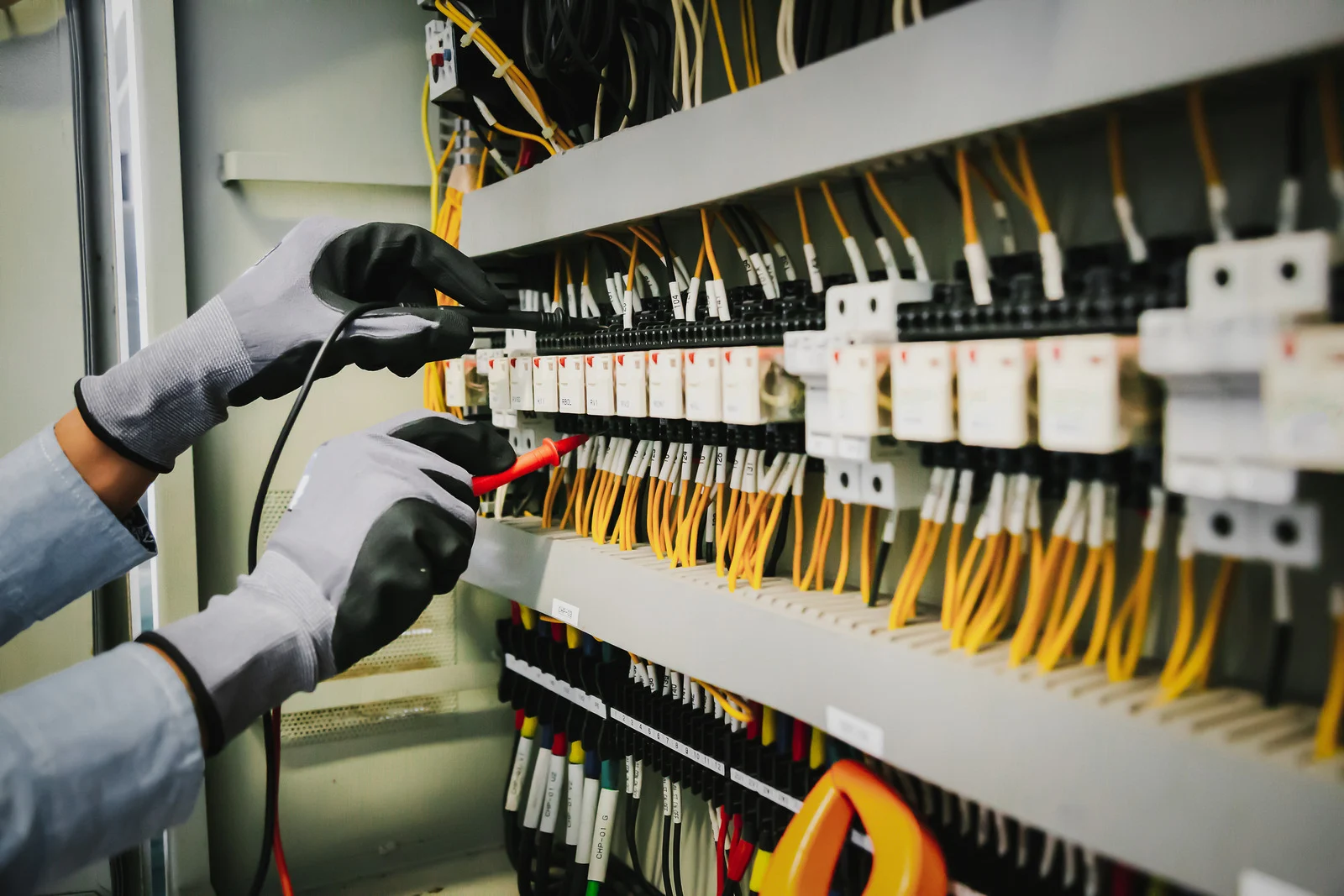
During an electrical installation, EICR involves both visual checks and hands-on testing, giving the electrician a complete picture of how the system is performing:
- Inspect consumer units and circuit breakers
- Test wiring and electrical circuits
- Check sockets, switches, and lighting
- Confirm proper earthing and bonding
Together, these steps uncover issues that wouldn’t show up in everyday use.
Understanding the Results
Once the inspection is complete, you’ll receive a report with each issue graded by severity.
Some things will need immediate attention; others can be monitored or improved over time. The report will give a clear verdict: satisfactory or unsatisfactory.
If the report is unsatisfactory, you should complete the recommended repairs as soon as possible. After that, the electrician may re-test the system to confirm it is safe.
How Often Should You Check?
There’s no one-size-fits-all answer — it depends on the type of property.
General Guidelines
- Owner-occupied homes: every 10 years
- Rental properties: every 5 years or with each new tenant
- Commercial properties: Older buildings or those with heavy electrical demands may need more frequent checks
Your electrician might recommend a shorter interval depending on what they find in the system’s condition.
Keeping up with EICRs means fewer nasty surprises. Your system stays safe, faults get caught early, and you’re far less likely to face an unexpected failure.
Key Benefits Include the Following
- Better safety for people in the property
- Early detection of problems
- Lower risk of electrical fires
- Reduced repair costs over time
- Compliance with legal and insurance requirements
Regular inspections mean you’re not left guessing about the state of your electrical system.
The process of arranging an electrical installation condition report is simple. Start by hiring a qualified and registered electrician who has experience with inspections and testing.
At Fuseguard, we offer EICR services across Ireland, combining inspection, reporting, and guidance to help property owners stay compliant and safe.
We carry out the inspection, provide the report, and if anything needs fixing, we will tell you what’s required and why. Contact us today to arrange an inspection.
Final Thoughts
An EICR is one of the more straightforward ways to stay on top of electrical safety. At Fuseguard, we can tell you exactly where your system stands and what, if anything, needs to be done.
For homeowners, landlords, and businesses alike, regular EICRs are a practical way to reduce risk and keep systems running reliably. For landlords in particular, they’re not just good practice — they’re a legal duty.
If it’s been a while since your last inspection, it’s worth arranging one. It doesn’t take long, and knowing your electrical system is in good shape is genuinely reassuring. Contact us to get started.