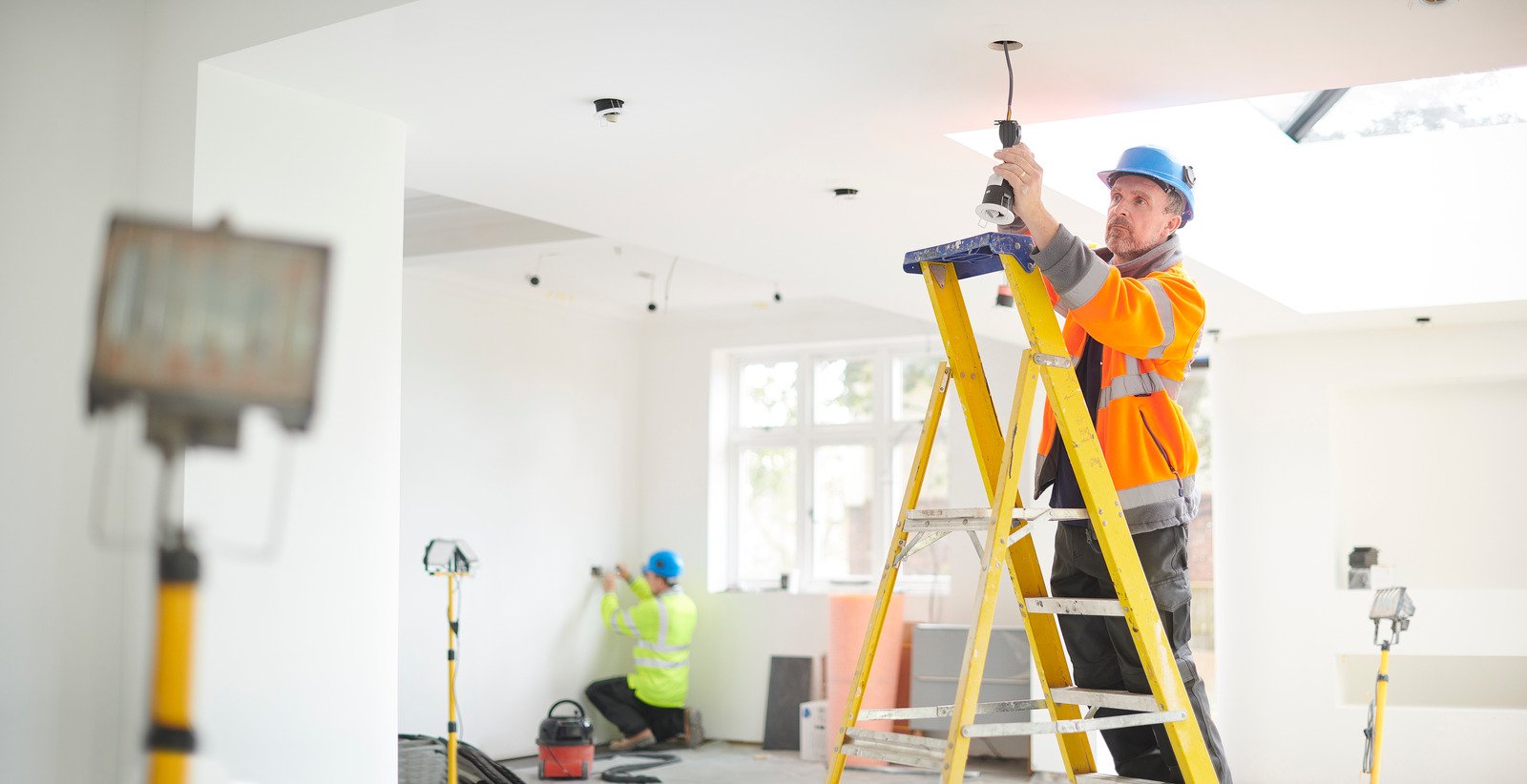
The cost of rewiring a house in Ireland in 2026 usually falls between €8,000 and €18,000, depending on the size and age of the property. Although it is a substantial cost, outdated wiring is one of the leading causes of house fires in Ireland, so this is not a job to postpone. In this breakdown, we look at what you can expect to pay, the factors that affect the cost, and the grants that can reduce the overall price.
Cost of Rewiring a House Ireland: 2026 Prices
No single fixed price applies to a rewiring project because every home is different. Electricians in Ireland generally price a full rewire at €38 to €55 per square metre or quote a set figure per property type. The table below shows what most homeowners can expect to pay this year.
| Property type | Typical cost (2026) | Typical duration |
|---|---|---|
| 1-bed apartment | €5,000–€8,000 | 3–4 days |
| 2-bed house | €8,000–€11,000 | 4–6 days |
| 3-bed semi-detached | €10,000–€14,000 | 5–7 days |
| 4-bed detached | Starting from €14,000+ | 7–10 days |
These figures include labour, materials, testing and certification. Labour costs alone run from €45 to €60 per hour for a qualified electrician, and quotes tend to be higher in Dublin than in Cork or rural counties. Copper prices have also risen sharply since 2022, which pushes up the cost of rewiring a house in Ireland across the board.
Factors That Affect the Cost of a Rewiring Project
No two homes produce the same quote. These are the factors that affect the cost most:
- Size and age of the house. Bigger homes need more cable, more sockets and more time on site. Older homes often conceal rubber-insulated cable, and electricians must strip it out and dispose of it carefully.
- Whether you live there during the work. An occupied house takes longer because the electrician has to work room by room and leave you with power each evening. Expect to pay 15% to 20% more.
- Floor and wall construction. Timber floors make cable runs quick and easy. Solid concrete floors mean chasing walls instead, which adds days of labour.
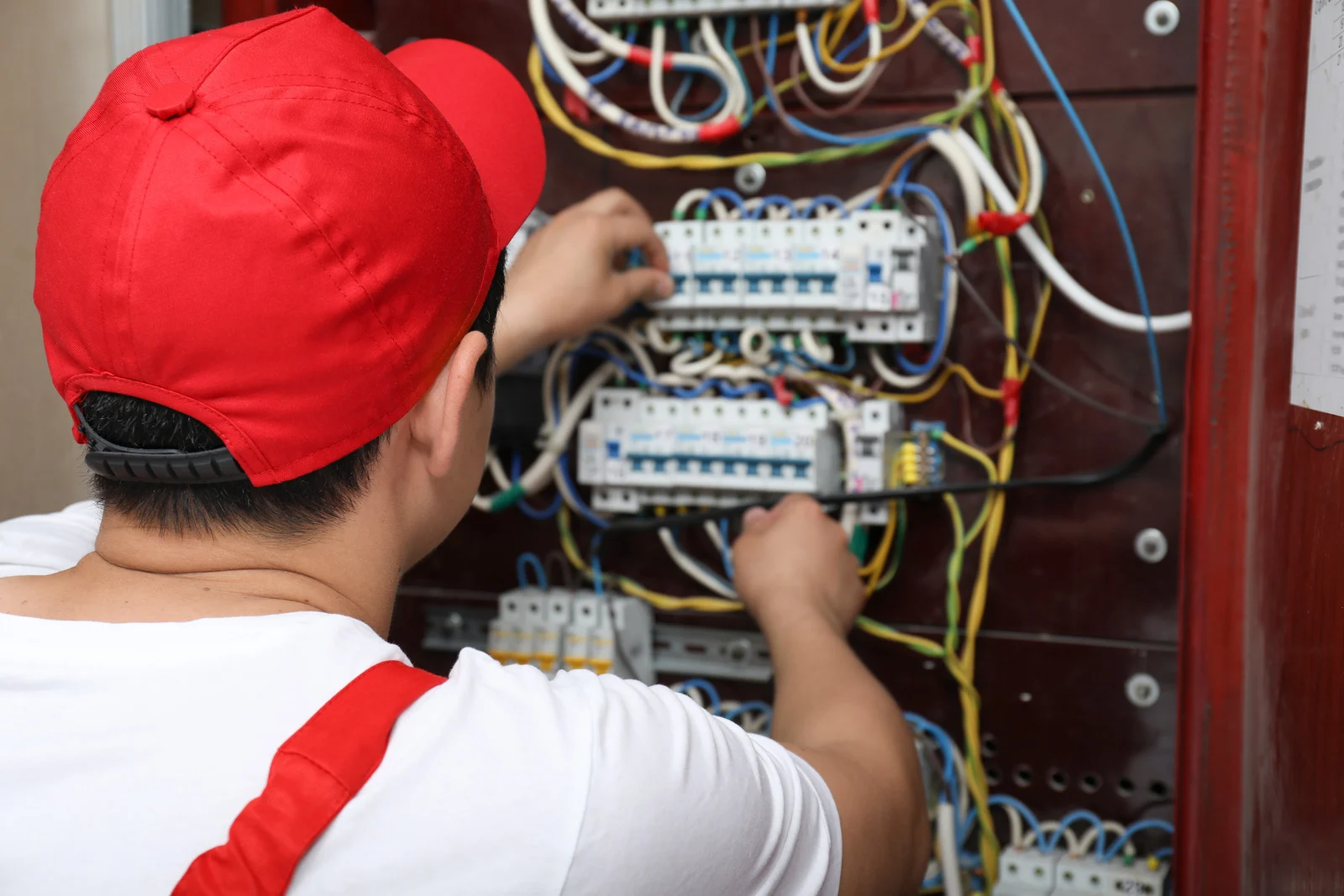
- The state of your fuse board. Old fuse boards with rewirable fuses must be replaced with a modern consumer unit that includes RCBO protection on every circuit.
- Finish and extras. Standard white fittings keep the price down. Smart switches, extra sockets, outdoor power and electric car charging points all add to the final bill.
Signs of Outdated Wiring
Not every older house in Ireland needs a full rewire, but some warning signs should never be ignored:
- Breakers or fuses that trip regularly, even with everyday appliances
- Sockets or switches that feel warm, look scorched or smell of burning
- Buzzing or crackling sounds coming from inside the walls
- Black rubber cable behind sockets instead of modern PVC
- Wiring systems that have not been inspected in 25 years or more
If you spot any of these signs, book an inspection with a registered electrician. A periodic inspection takes only a few hours and costs far less than the damage faulty wiring can cause.
The Benefits of Rewiring a House
Beyond safety, the benefits of rewiring a house are easy to measure. A modern electrical system protects your appliances, reduces the risk of faults and power loss, and brings the property in line with current regulations.
It can also add real resale value because buyers and surveyors look closely at the fuse board and the certification behind it. If you plan to rewire a house that you are renovating, completing both jobs at the same time can also save significantly on plastering and redecorating.
Grants That Cut the Cost of Rewiring a House Ireland
Two schemes may reduce what you pay in 2026:
- Housing Aid for Older People. This grant may provide support towards essential repairs, including rewiring, for eligible older homeowners. The scheme is means-tested, and the amount available depends on household income, approved costs and the current rules applied by the local authority.
- Vacant Property Refurbishment Grant. If you are bringing an empty property back into use, rewiring may form part of an eligible refurbishment project.
Both schemes are managed through local authorities, and you should apply and receive approval before the work starts.
Choosing Safe Electric Registered Electricians in Ireland
Only a Safe Electric registered electrician can legally certify a house rewire in Ireland and issue a completion certificate when the work is finished. Ask for the contractor’s registration number and verify it before agreeing to any work.
Gather at least three written quotes and make sure each one covers the same scope, including full cable replacement, a new consumer unit, hard-wired smoke alarms, testing and certification. If one quote comes in far below the rest, it may have left something important out.
The Final Breakdown
The true cost of rewiring a house in Ireland comes down to the condition and size of your property. For most three-bedroom homes, you should budget approximately €10,000 to €14,000 and keep another 10% aside for unexpected work behind the walls.
It is a significant investment, but it provides long-term benefits through improved safety, a dependable electrical system and increased resale appeal.
If you are planning a wider renovation, Fuseguard works alongside trusted electricians on projects across Cork. Scheduling the rewiring while other work is underway is often the most cost-effective approach. Contact our team to discuss your project.