Periodic Inspection Reports
Periodic Inspection Reports
Ensure Safety, Compliance, and Peace of Mind
Electrical installations naturally deteriorate with age and use. To ensure safety and compliance, it is essential to have these installations inspected and tested periodically, tailored to their specific use and environment. This ensures adherence to the National Rules for Electrical Installations – ET101.
A Periodic Inspection report is a comprehensive evaluation designed to identify the condition of an electrical installation—whether good or in need of attention.
Periodic Inspection Request
Submit & Claim 10% Discount (T&C Apply*)
Why periodic inspections matter
The National Rules for Electrical Installations (IS 10101/ET 101) recommend that wiring and electrical systems be inspected and tested periodically to verify that they still comply with modern safety rules. Over time cables can deteriorate, protective devices wear out and circuits become overloaded by additional appliances. Routine inspections identify these issues before they become a potential risk to occupants, visitors or employees. A periodic inspection checks for:

Fire hazards and electric‑shock risks
Signs of overheating, worn insulation, inadequate earthing and missing residual‑current devices (RCDs). These hazards cause many electrical fires and injuries.

Corrosion, overloading and age-related deterioration
Old fuse boards, brittle wiring and inadequate bonding are among the most common problems found during PIRs.

Compliance with current standards
An inspection ensures that installations meet the latest National Rules and wiring regulations, because previous installations may have been compliant when installed but are now outdated.
Non‑standard or illegal works
Unregistered or unqualified electrical works can compromise the integrity of the electrical system and increase the risk of serious defects.
What is a periodic electrical inspection report?
A Periodic Inspection Report (PIR) is a formal document produced after an inspection and testing of an electrical installation. Safe Electric – the body regulating electrical contractors in Ireland – notes that a PIR is a report rather than a completion certificate; its purpose is to identify the condition of an installation, highlighting both good and bad points. A qualified Registered Electrical Contractor (REC) must carry out the inspection and testing in line with the National Rules. Once the inspection is completed, the contractor provides the property owner with two documents:
- Periodic Inspection Report – this document summarises the results of the inspection. It lists any defects, damage or deterioration discovered and highlights potential hazards due to non‑compliance.
- Test record sheet – a detailed record of measurements and test results demonstrating the performance of circuits and protective devices.
The report also includes a comments and remedial work section outlining breaches identified and recommendations to resolve them. Defects are graded using a numbering system so the responsible person can prioritise corrective action. Safe Electric’s guidance defines the codes as follows:
The Grading System for PIR Reports
The inspection report uses a straightforward numbering system to categorize the required actions:
- Requires urgent attention – Immediate action needed to ensure safety.
- Requires improvement – Significant issues that should be addressed promptly.
- Requires some attention – Minor issues that need attention in due course.
- Does not comply with current National Rules for Electrical Installations* – While non-compliance doesn’t necessarily mean the installation is unsafe, it indicates areas for potential improvement.
- *Note: A non-compliance doesn’t always equate to danger but may highlight areas needing modernization or updates.
How often should installations be inspected?
There is no one‑size‑fits‑all interval for electrical inspections. The appropriate frequency depends on the type of property, how it is used and environmental factors. Guidance from industry organisations and safety authorities suggests the following typical intervals:
- Domestic homes: every 10 years or when the property changes occupancy. Homeowners should also arrange an inspection after major renovations or if circuits trip frequently.
- Rental properties: at least every 5 years. Landlords have a legal duty to ensure the safety of tenants and may need more frequent checks for houses in multiple occupation.
- Commercial buildings and public premises: every 3–5 years depending on usage, environmental conditions and the presence of high‑risk processes. Workplaces subject to heavy loads or corrosive environments may require annual inspections.
- Special locations: swimming pools, farms and petrol stations must be inspected more frequently due to increased risk.
Beyond these general guidelines, the Health and Safety Authority notes that a suitable inspection regime should be established to reduce the possibility of harm; poor maintenance can kill or injure and cause serious property damage.
Who can carry out a periodic inspection?
Only qualified and registered electrical contractors are authorised to perform periodic inspections and issue reports. PIRs can only be completed by qualified registered electrical contractors and electricians who understand the current national rules for electrical installations. Unqualified work can leave installations dangerous or invalidate insurance. FuseGuard is a Safe Electric‑registered contractor; our engineers undergo regular training and use calibrated test equipment to ensure accurate and reliable results.
What happens during an inspection?
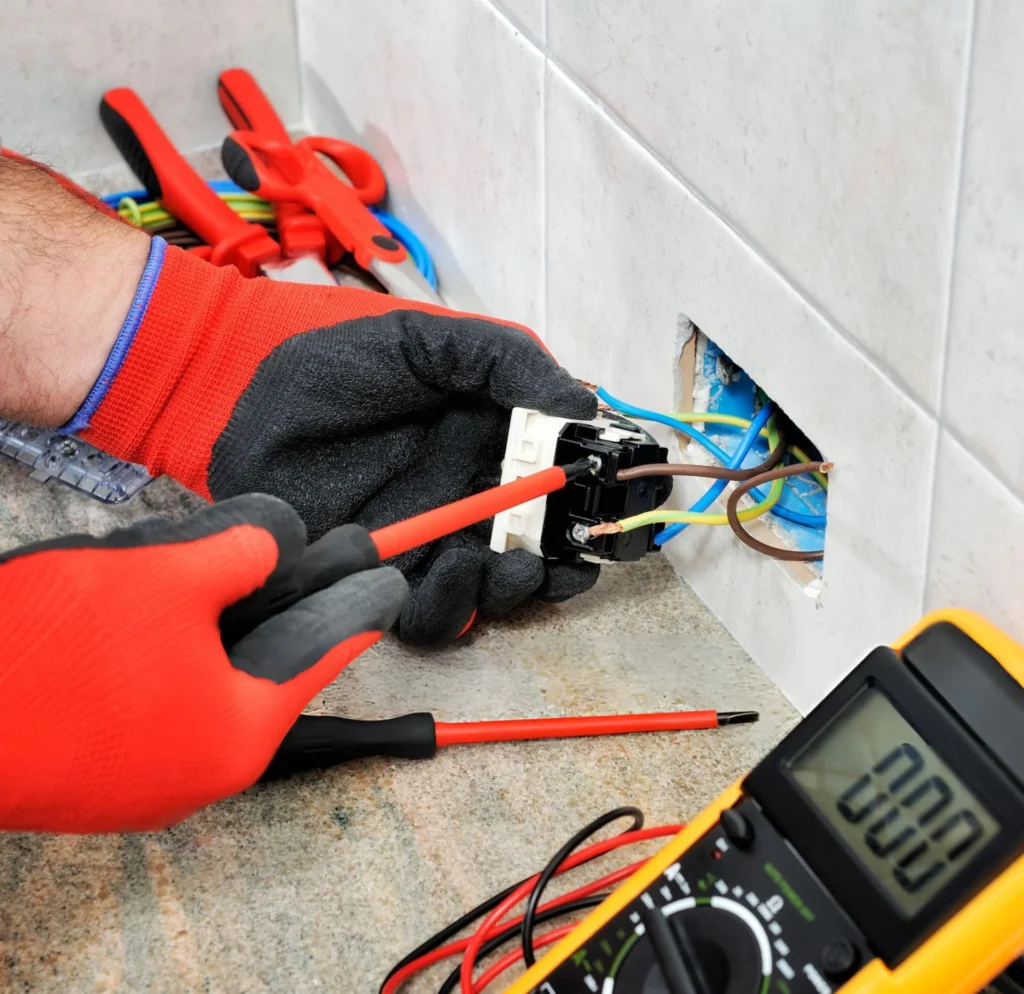
A periodic inspection involves both visual checks and electrical testing. The contractor will:
- Survey the installation – examine the consumer unit (fuse board), sockets, switches, lighting circuits and any special installations (e.g., EV chargers or solar PV) to look for signs of wear, damage or non‑compliant modifications.
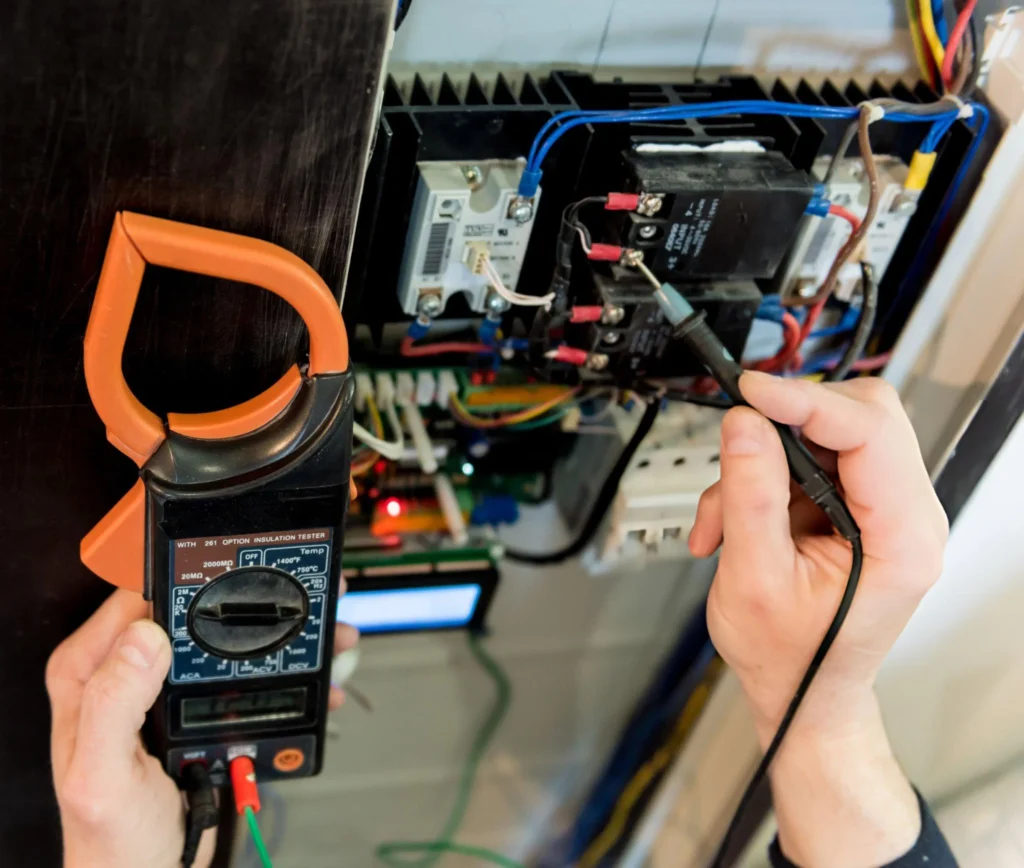
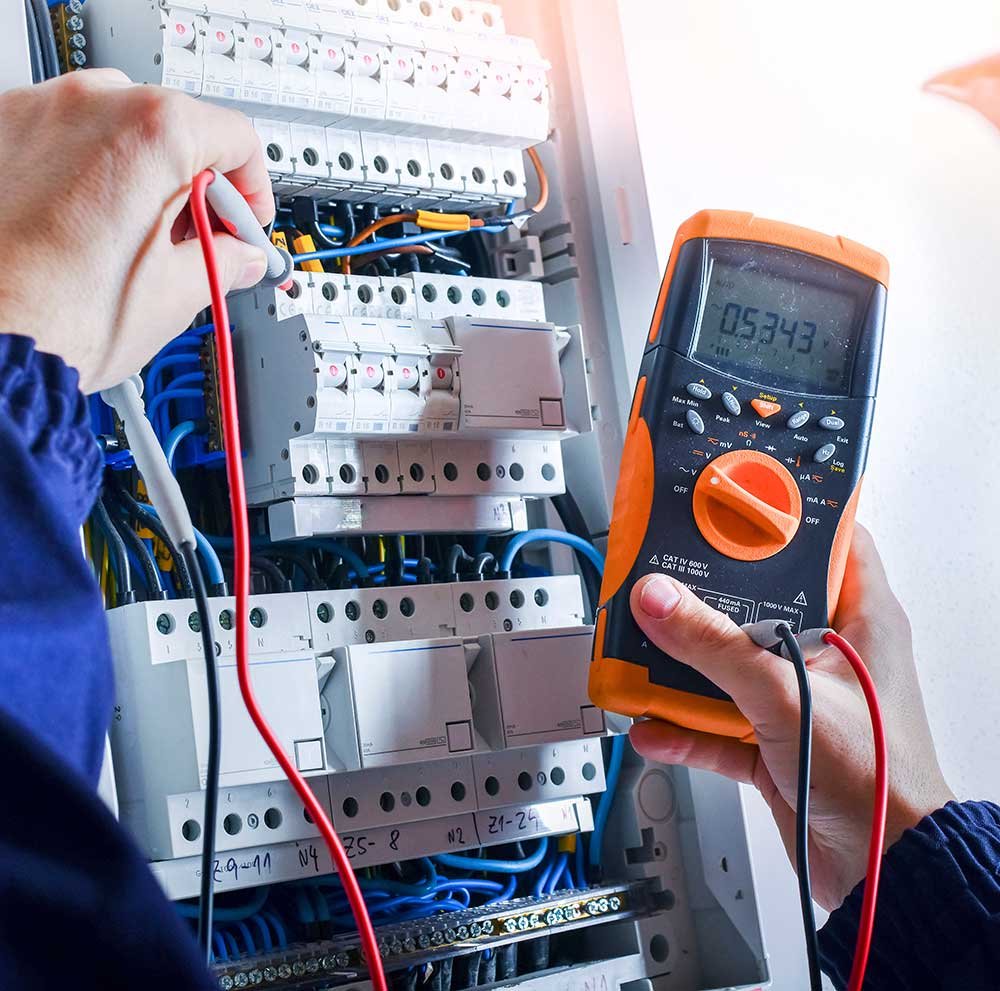
- Test circuit integrity – measure continuity, insulation resistance and earth‑fault loop impedance to verify that circuits and protective devices operate correctly. PAT Ireland describes periodic inspections as systematic checks designed to assess safety risks such as possible fire hazards or electric shock, and to look for corrosion, overloading and ageing equipment.
- Check earthing and bonding – confirm that the earthing arrangements are adequate to protect against electric shock.
- Verify residual‑current devices (RCDs) – test that RCDs trip within the required time and current thresholds. 5. Assess compliance with current regulations – ensure that the installation meets the National Rules and identify non‑compliances.
At the end of the inspection the contractor explains the results, issues the PIR and test record sheet and discusses any required remedial works. Minor issues can often be corrected on the day, while major remedial work may require a follow‑up quote.
Benefits of a periodic electrical inspection report
Investing in a periodic inspection delivers many advantages beyond meeting legal requirements:
- Enhanced electrical safety – Early detection of faults reduces the risk of electric shock, fire or equipment damage. The report provides a detailed assessment of wiring, sockets, consumer units and bonding, enabling targeted repairs.
- Regulatory compliance – A PIR ensures your installation is assessed against current national standards and wiring regulations. For landlords and employers, it demonstrates due diligence and helps meet statutory obligations and insurance requirements.
- Documentation and peace of mind – The test record sheet provides a baseline for future testing and maintenance, while the report’s recommendations guide planning and budgeting for electrical works. Insurance providers may request a current PIR to validate cover.
- Reduced downtime and costs – Identifying defects early prevents unexpected breakdowns and costly emergency repairs. Upgrading outdated equipment improves efficiency and can lower energy bills.
FuseGuard’s periodic inspection service
At FuseGuard we specialise in periodic inspection and testing for homes, businesses and rental properties across Dublin and Leinster. As fully insured Safe Electric RECs, we follow the National Rules for Electrical Installations and provide clear, practical advice. Our service includes:
- Pre‑inspection consultation – we discuss your property, usage and any existing concerns so we can tailor the inspection.
- Comprehensive testing – using calibrated instruments we test all accessible circuits, protective devices and earth connections.
- Concise reporting – you receive both the Periodic Inspection Report and the Test Record Sheet. We grade any issues and explain the recommended remedial work, ensuring you understand what needs attention and why.
- Follow‑up support – we offer quotations for any remedial works needed, and we can schedule periodic inspection reminders so you stay compliant. For landlords, we provide multiple-property management and can liaise directly with tenants where appropriate.
We believe that electrical safety is an investment in your property and your wellbeing. Whether you’re maintaining your family home, complying with landlord obligations or ensuring the safety of staff and customers, a periodic electrical inspection report provides clarity, compliance and peace of mind. Contact FuseGuard today to schedule your inspection and keep your electrical system in top condition.


800+ PIR reports done
Periodic Inspection Reports
FAQ
A periodic inspection is a detailed examination performed by certified electrical professionals to assess the condition, safety, and performance of your building’s electrical installation and identify potential risks or hazards.
Enhance Electrical Safety
Safeguard your workplace and staff from electrical shocks, injuries, or potential fire hazards caused by faulty appliances and wiring.
Prolong Equipment Lifespan
Our expert technicians can identify hidden wiring or equipment faults that, if left unchecked, could shorten the lifespan of your electrical systems and devices.
Lower Insurance Risks
Routine testing and certification of your premises demonstrate compliance with current health and safety laws, helping to reduce insurance liabilities.
Boost Workplace Efficiency
Regular electrical maintenance minimises downtime and disruptions, allowing your team to work efficiently and continuously.
The cost of a periodic inspection varies based on the property size, number of fuse boards, electrical installations, and other site-specific factors. Contact our team for a personalised quote that suits your exact requirements.
Periodic electrical inspections are legally required under the Safety, Health and Welfare at Work (General Application) Regulations 2007. For detailed legal guidance, visit the Health and Safety Authority (HSA) website.
Most businesses must undergo electrical inspections every 5 years. However, some environments require checks every 3 years, depending on the type of premises and usage. We can advise you on the appropriate frequency for your business.
Once an inspection is completed, you’ll receive a comprehensive report detailing the condition of your electrical systems, including any faults found and recommended corrective actions. A certificate of inspection is then issued to confirm regulatory compliance.
If any faults or failures are identified, our electrician will note them in the report along with explanations and the necessary corrective actions. We can also provide a quote for any remedial work needed to bring your system up to standard.
Yes — by law, all workplaces must carry out periodic electrical inspections under the 2007 Safety, Health and Welfare at Work Regulations.
To minimise disruption, inspections are usually carried out outside of business hours, either early morning, evening, or on weekends. This ensures safety and efficiency, as power will need to be turned off for certain parts of the process.
- A single office floor: roughly 2 hours
- A 3-storey building: about 6 hours
- A 2-bedroom home or apartment: around 2 hours
Our Happy Clients
Testimonial
Trustindex verifies that the original source of the review is Google.Posted on Google
Our Services
What We Do?

Ensure your electrical installations meet safety standards with our expert inspections. We assess compliance, identify defects, and recommend necessary improvements for homes and businesses.

The FuseGuard Firestick is an innovative self-activating fire suppression device designed to detect and extinguish electrical fires at their source before they spread.


Upgrade to energy-efficient LED lighting and emergency escape lighting for safety and sustainability. Our solutions enhance visibility, reduce costs, and comply with fire safety standards.

24/7 rapid-response electrical services for homes and businesses. From power failures to electrical faults, our team ensures a fast, safe, and reliable fix anytime you need it.

Prevent costly repairs with our proactive electrical maintenance services. We inspect, test, and repair electrical systems to enhance safety, reliability, and long-term efficiency.